
Overview
Wood chip processing is a critical step in pulp and paper manufacturing, requiring consistent chip size distribution to ensure efficient downstream pulping operations. Screening systems play a key role in separating oversize material and fines to maintain product quality.
Variability in chip size can negatively impact pulping efficiency, chemical consumption, and overall process performance. The application required a reliable screening solution capable of handling high throughput while maintaining strict size control.
Challenges
Wood chip screening operations present several process challenges:
- Maintaining consistent chip size distribution for optimal pulping
- Removing oversize material and fines without losing valuable product
- Handling high-volume throughput in continuous operations
- Preventing excessive fines that reduce product quality
- Managing elongated particles (“pins”) in the chip stream
- Minimizing maintenance requirements and downtime
- Ensuring reliable operation in harsh industrial environments
These challenges directly impact pulping efficiency, product quality, and plant performance.
Solutions
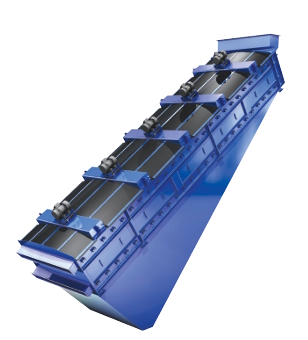
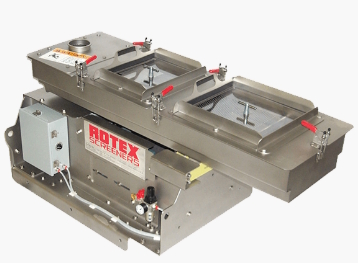
Gyratory screening systems were implemented to deliver accurate chip classification and high-throughput performance.
Key elements of the solution included:
- High-speed horizontal gyratory motion to improve separation efficiency
- Large stroke design to handle high-capacity wood chip processing
- Accurate removal of oversize chips and fines for improved product uniformity
- Balanced drive system centered in the machine for stable operation
- Reduction of “pins” in the fines fraction through horizontal motion
- Lubrication-free drive design for reduced maintenance requirements
- Customizable configurations to fit various plant layouts
The system was validated through testing and proven installations in pulp and paper processing facilities.
Results
Implementation of wood chip screening systems delivered measurable improvements:
- Improved chip uniformity for more efficient pulping operations
- Increased throughput capacity in wood processing lines
- Reduced fines and oversize contamination in accepted product
- Enhanced process efficiency and product consistency
- Reduced maintenance requirements with durable, low-wear design
- Improved operational reliability in continuous production environments
- Increased overall plant productivity and performance
Overall, the solution improved screening efficiency and enhanced pulp processing performance while reducing operational costs.
RELATED SOLUTIONS
- Recycling screening systems for separation of biomass and wood-based materials
- Industrial screening systems for soybean and bulk solids processing
- Bucket elevator and conveying systems for material handling in fertilizer plants
To view the full case study, please fill out the form below.