
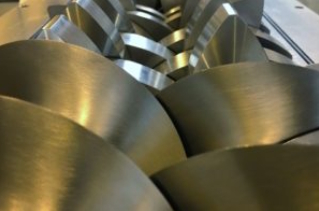
CONTINUOUS PROCESSING FOR RADIOACTIVE WASTE MOISTURE REMOVAL
Continuous thermal processing removes moisture from radioactive waste slurries, supporting volume reduction, containment, and preparation for long-term storage and disposal.

Continuous thermal processing removes moisture from radioactive waste slurries, supporting volume reduction, containment, and preparation for long-term storage and disposal.
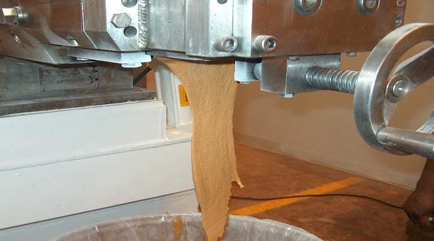
Continuous processing mixes and grinds peanut butter ingredients to produce a uniform product, reducing processing time and eliminating lumps in food manufacturing applications.
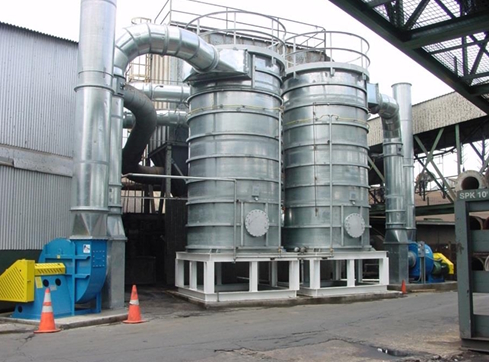
Mist elimination systems capture submicron liquid droplets from process gas streams, supporting emission control and protecting downstream equipment.
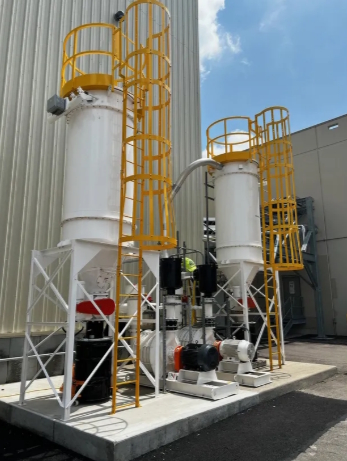
Central vacuum systems provide plant-wide dust and debris collection, supporting continuous cleaning, material recovery, and safer industrial environments.
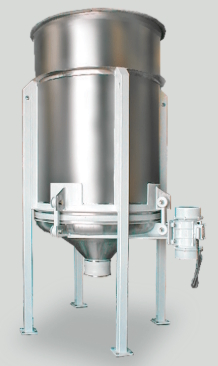
Inconsistent urea flow to melter causes buildup and downtime until live bottom bin and screw feeder deliver precise, continuous feed rates.
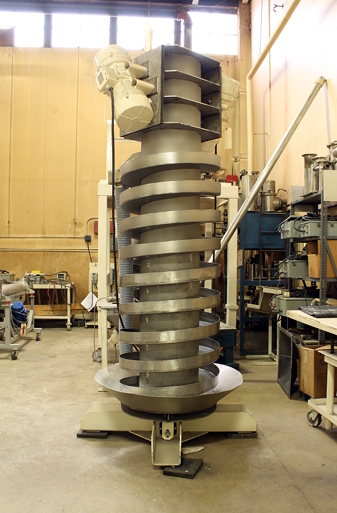
Spiral conveyors elevate bulk materials vertically while enabling cooling, drying, or heating, improving plant layout efficiency and reducing equipment footprint.

Achieve 99.9% emission control and zero liquid discharge in lithium-ion battery manufacturing. Optimize material recovery and safety in high-capacity production.
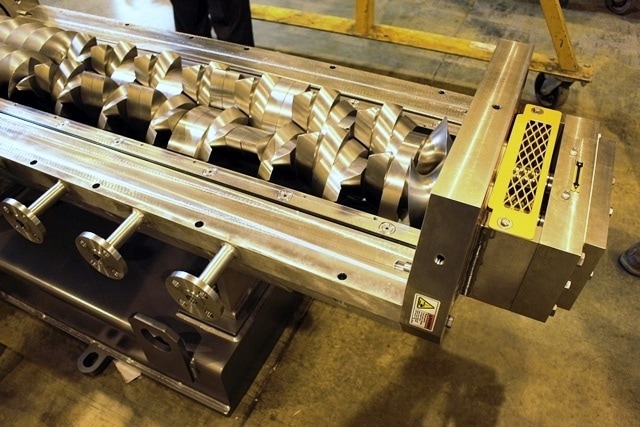
Continuous processing melts and disperses binders into metal powders, improving density, consistency, and efficiency in metal injection molding applications
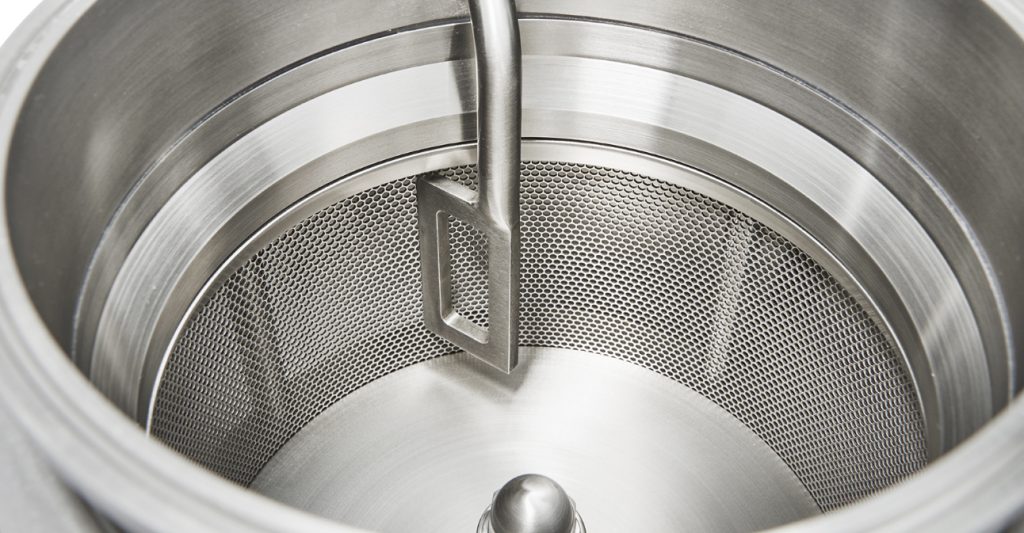
Security screening systems remove impurities and break agglomerates in bulk materials, supporting product quality and consistent downstream processing.
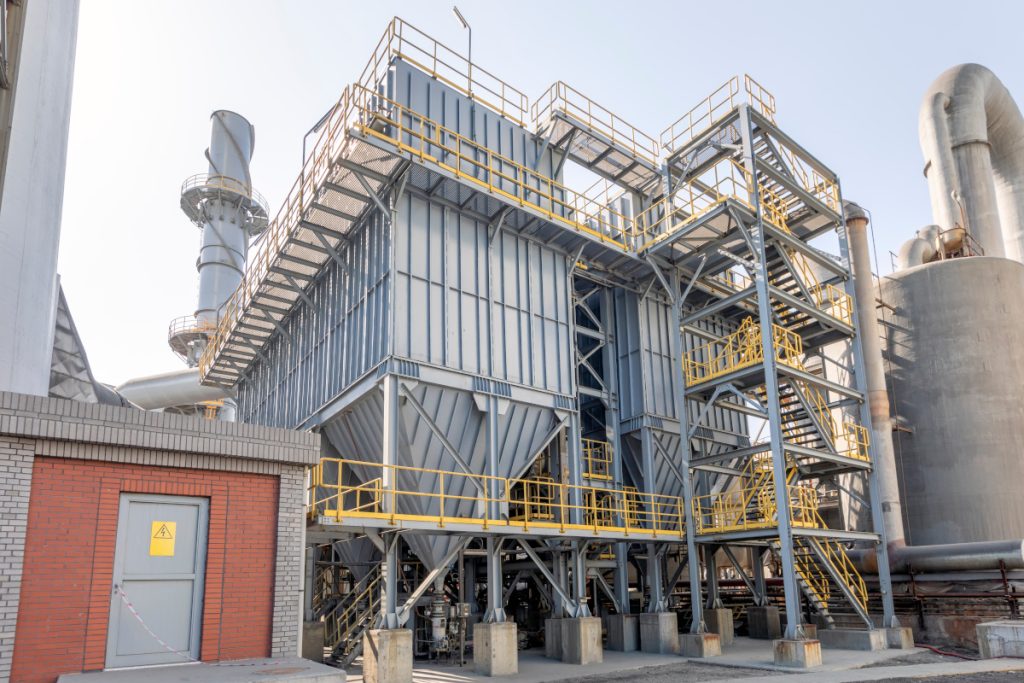
Dust collector replacement after kiln explosion restores lime production with rapid fabrication, improved access design, and minimized downtime.
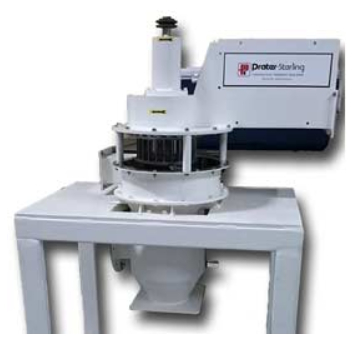
Air classifiers separate particles by size and density using adjustable airflow and rotor speed, improving product quality and efficiency in bulk material processing.

Continuous processing rapidly disperses powders into high‑viscosity resin, improving consistency and reducing cleanup time in carbon fiber prepreg manufacturing.
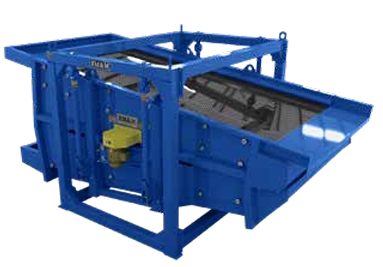
Wood chip screening systems improve chip uniformity by removing oversize and fines, increasing pulping efficiency and reducing waste in paper and pulp processing operations.
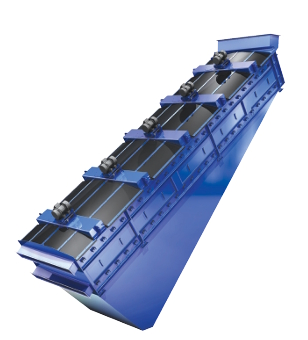
DAP and MAP fertilizer screening systems improve product uniformity and recovery, supporting high-capacity production while meeting strict size and quality specifications.
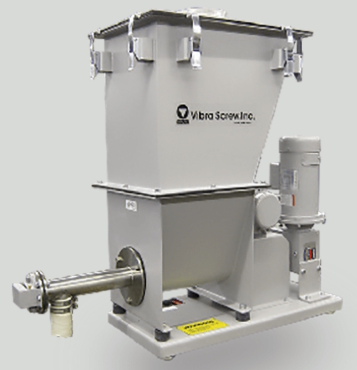
Selecting dry material feeders depends on accuracy, material properties, and process control, impacting performance, cost, and reliability in bulk handling systems.
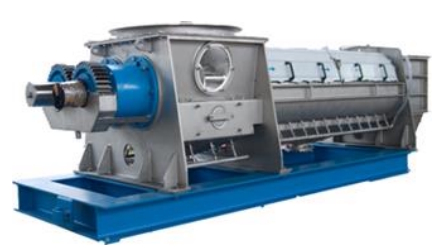
Screw press dewatering systems remove moisture from biomass and industrial materials, lowering energy demand and improving downstream drying efficiency.
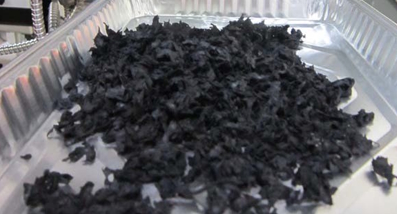
Continuous high‑shear mixing produced homogeneous lithium battery paste without carbon black agglomerates and reduced processing time significantly.
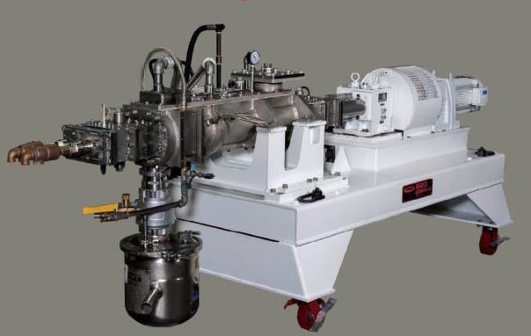
Continuous processing removes solvent from SBR slurry under vacuum, reducing volatiles and improving product quality while minimizing fouling and energy consumption.
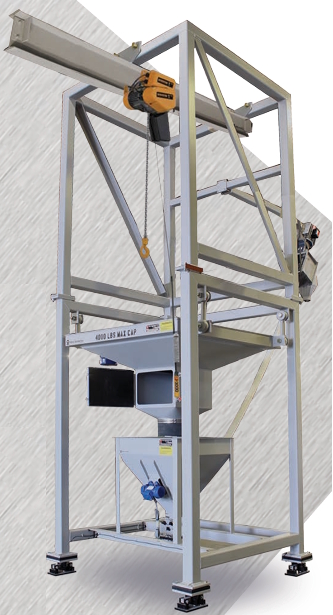
Bulk bag unloading systems provide safe, dust-free discharge of dry materials, improving handling efficiency, flow control, and integration with downstream processing equipment.

Seed cleaning and sizing systems separate fines and splits from grains using gyratory screening, improving product quality, increasing throughput, and reducing operating costs.
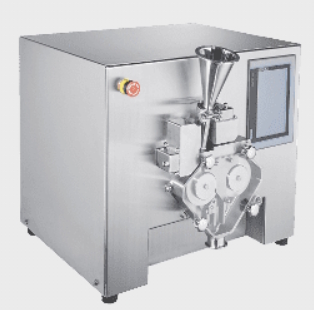
Roll compaction systems improve powder flow and uniformity by converting fine materials into granules, enhancing downstream processing and tablet manufacturing efficiency.