Overview
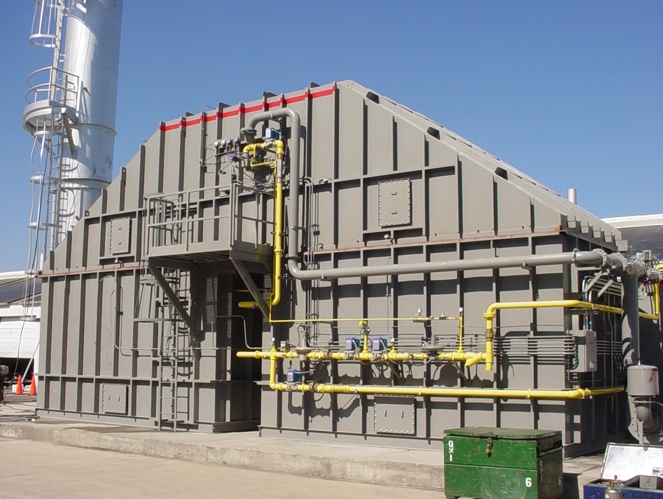
Industrial facilities operating thermal oxidizers require consistent performance to control emissions while managing energy consumption. These systems depend on effective heat recovery and proper process conditions to maintain efficiency and control operating costs.
Over time, changes in VOC loading, system wear, and operational drift can increase fuel usage and reduce recovery efficiency. The application required evaluation and optimization of system performance to maintain cost-effective operation and energy efficiency.
Challenges
Oxidizer systems face several operational challenges:
- Decline in thermal energy recovery efficiency over time
- Increasing fuel consumption due to reduced system performance
- Variability in VOC loads affecting operating conditions
- Oversized designs based on theoretical peak load assumptions
- Excess combustion air increasing heating requirements
- Limited visibility into actual versus expected operating costs
- Lack of continuous monitoring and system optimization
These combined issues increase operating costs and reduce energy efficiency across long-term operation.
Solutions
A structured optimization approach focusing on heat recovery, VOC management, and combustion efficiency was implemented to reduce energy consumption.
Key elements of the solution included:
- Monitoring and benchmarking actual operating costs against expected performance
- Evaluating thermal energy recovery percentages and system degradation
- Adjusting system design assumptions based on actual VOC loading profiles
- Installing VOC concentrators to reduce airflow and increase fuel efficiency
- Optimizing combustion air levels and burner tuning
- Enhancing primary heat recovery through improved exchanger performance
- Adding secondary heat recovery systems to capture excess exhaust heat
The improvements were validated through performance modeling and operational data tracking to confirm energy savings
Results
Implementation of the optimization strategy delivered measurable improvements:
- Reduced fuel consumption through improved heat recovery efficiency
- Lower operating costs by minimizing unnecessary energy input
- Improved system performance through optimized VOC loading conditions
- Enhanced energy utilization with primary and secondary recovery systems
- Increased reliability with better monitoring and maintenance practices
- Reduced emissions through stable and consistent oxidizer operation
- Improved long-term system efficiency with targeted upgrades and adjustments
Overall, the project reduced operating costs while maintaining effective emissions control and enhancing overall system efficiency.
To view the full case study, please fill out the form below.