Overview
Industrial processors handling wet materials such as biomass, food byproducts, and industrial sludge require effective dewatering prior to drying or disposal. These processes depend on reliable moisture removal to reduce downstream energy consumption and improve material handling.
Traditional mechanical or thermal methods can result in inefficient water removal or excessive energy usage. The application required a robust and continuous dewatering solution capable of handling a wide range of materials and operating conditions.
Challenges
Dewatering operations presented several process challenges:
- High moisture content in raw materials requiring removal before drying
- Variability in material composition affecting dewatering performance
- Need to reduce energy consumption in downstream drying processes
- Maintaining continuous processing with minimal downtime
- Handling abrasive or fibrous materials without excessive wear
- Ensuring sufficient pressure buildup within material for liquid separation
- Requirement for compact equipment within existing process layouts
These combined factors limited process efficiency and increased operational costs.
Solutions
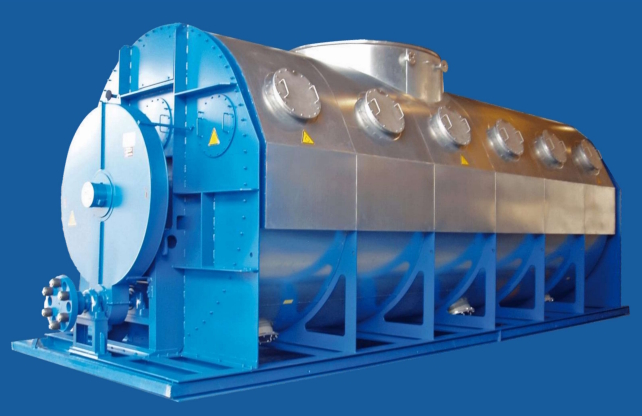
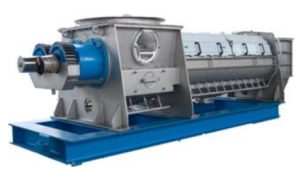
A mechanical screw press dewatering system was implemented to continuously separate liquid from solids using compression and friction.
Key elements of the solution included:
- Continuous feeding of raw material into a screw and screen section
- Compression of material through rotating screw to release liquid
- High-precision screw, screen, and cage design for optimized performance
- Large dewatering surface area for increased moisture removal
- Robust construction to handle abrasive and fibrous materials
- Compact system design supporting high throughput applications
- Collection system for separated liquid and discharge of dewatered solids
The system performance was validated through proven applications across multiple industries and material types.
Results
Implementation of the screw press system delivered measurable improvements:
- Reduced moisture content in processed materials
- Lower energy consumption in downstream drying operations
- Continuous operation with high availability and minimal downtime
- Improved handling of fibrous and heterogeneous materials
- Increased process efficiency through mechanical dewatering
- Reduced operational costs associated with thermal drying
- Flexible application across multiple industries and products
Overall, the solution enhanced process efficiency, reduced energy requirements, and provided reliable continuous dewatering performance.
To view the full case study, please fill out the form below.