EV BATTERY MANUFACTURING EMISSION CONTROL AND MATERIAL RECOVERY
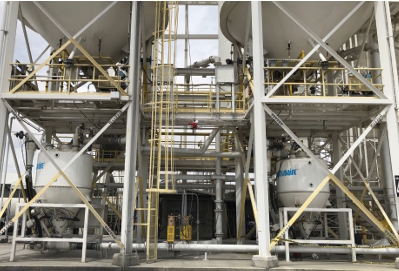
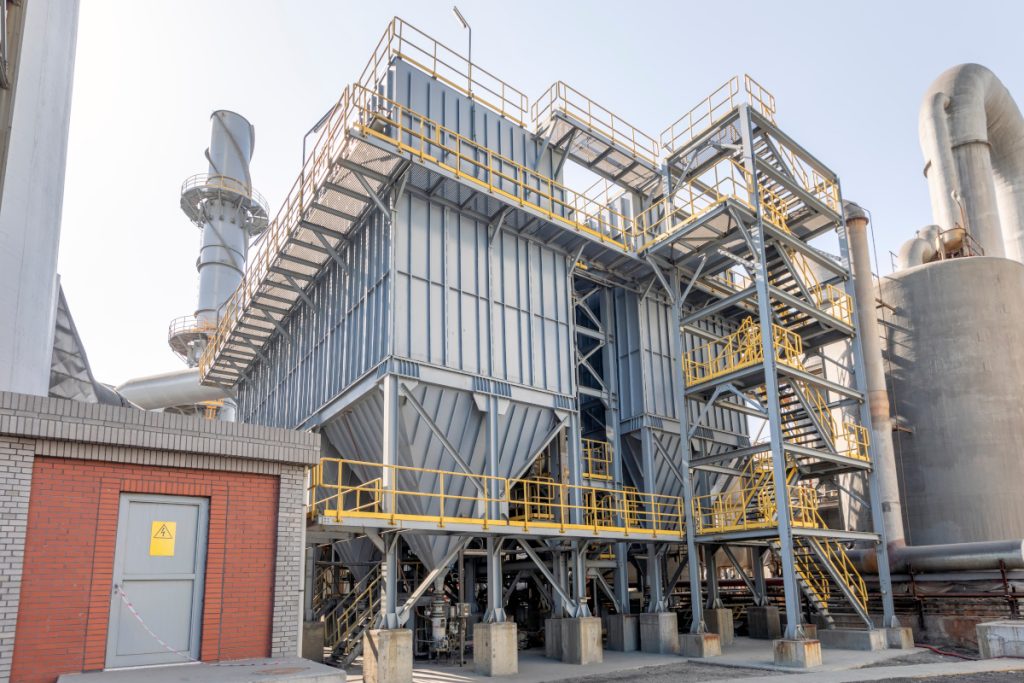
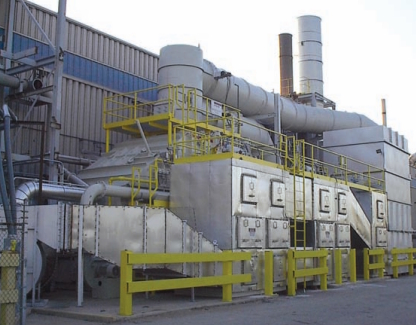
Achieve 99.9% emission control and zero liquid discharge in lithium-ion battery manufacturing. Optimize material recovery and safety in high-capacity production.
Please view our extensive case study catalog to learn how Trotter can help you solve your engineering needs.
Achieve 99.9% emission control and zero liquid discharge in lithium-ion battery manufacturing. Optimize material recovery and safety in high-capacity production.
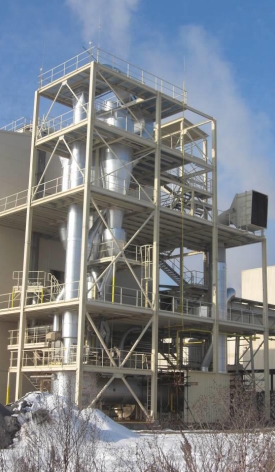
Spray drying converts liquid feed into powder using atomization and hot air, enabling controlled particle formation and high-capacity drying across food and chemical processing.
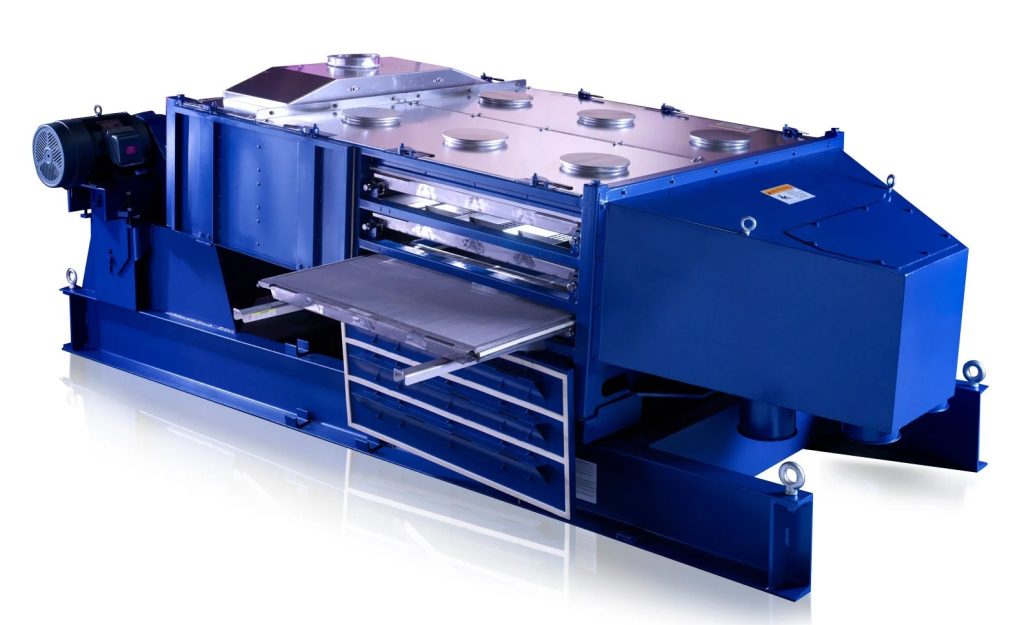
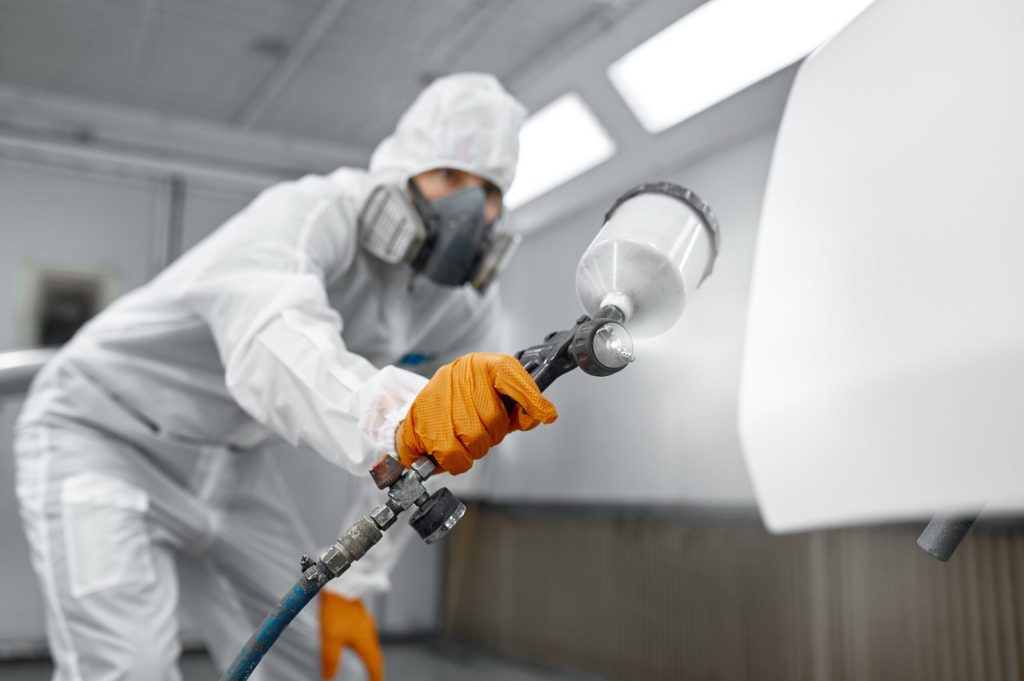
Eliminate blemishes and surface defects in high-performance powder coatings. This specialized centrifugal sifter redesign prevents oversized particle bypass, ensuring flawless finishes even when utilizing screens as fine as 200 mesh.
Mass flow screw feeders provide uniform material discharge from hoppers, supporting consistent flow, controlled feed rates, and reliable bulk solids handling.
Screw press dewatering systems remove moisture from biomass and industrial materials, lowering energy demand and improving downstream drying efficiency.
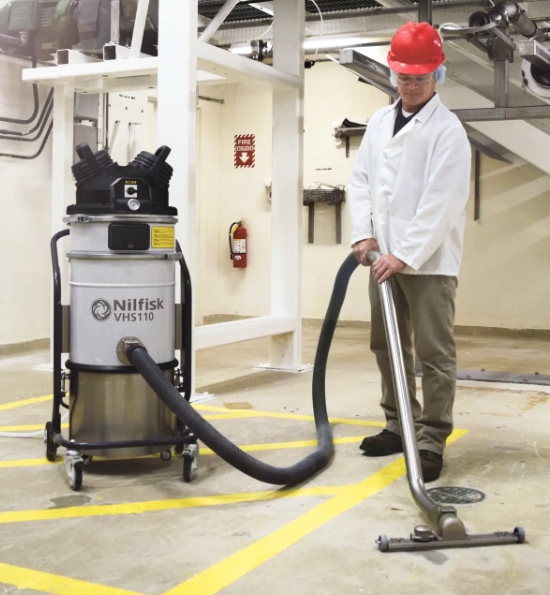
Central vacuum systems provide plant-wide dust and debris collection, supporting continuous cleaning, material recovery, and safer industrial environments.
Inaccurate hydrated lime feeding disrupts pH control in water treatment until volumetric screw feeder and mixing system deliver consistent flow and Âħ2% accuracy.
Eliminate manual material handling and reduce product spillage by up to 100%. These integrated dense-phase conveying systems automate the transfer of sodium carbonate and soda ash from railcars to silos, improving plant safety and operational cleanliness.
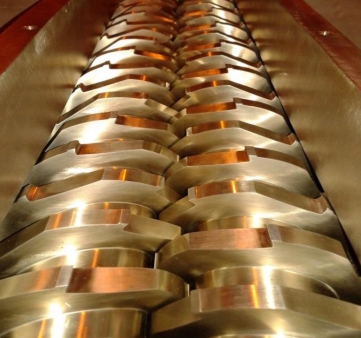
Continuous processing disperses high-viscosity inks and additives with minimal heat exposure, supporting color stability and on-demand manufacturing.
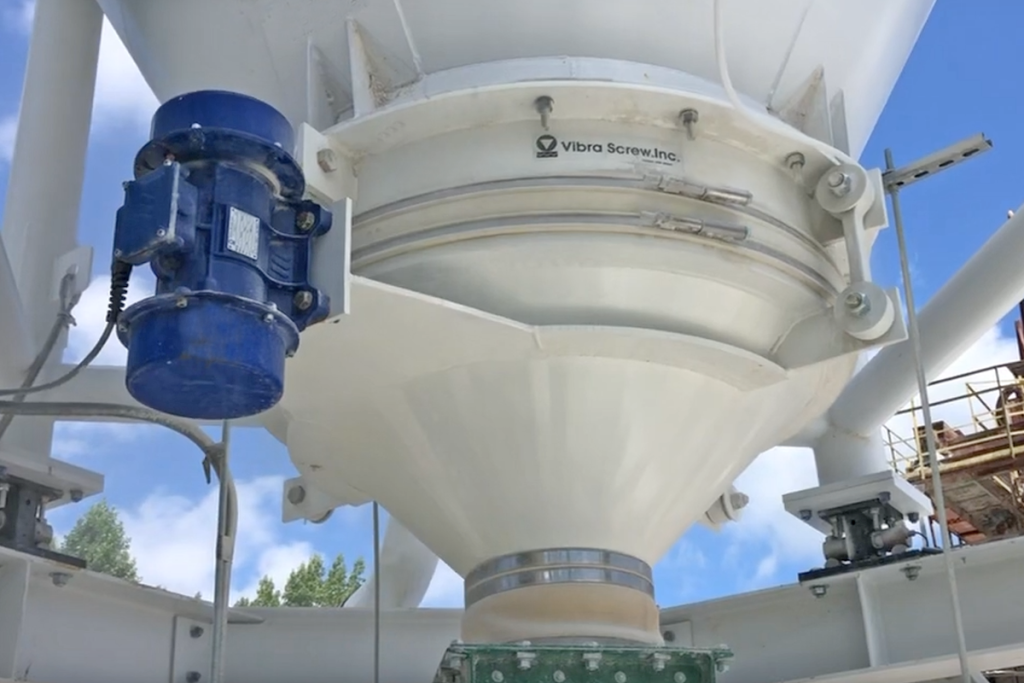
Sticky molding sand causes bin hangups and ratholing, reducing mold quality and throughput until vibration-based discharge restores consistent flow.
Continuous mixing of joint compound reduces batch variability, improves dispersion, and enables consistent production with lower energy use and minimized waste.
Unload frac sand, potash & perlite ore from hopper-bottom railcars into distant silos â no deep pit required. See how a belt-to-dense phase system handles ultra-abrasive bulk materials.
DAP and MAP fertilizer screening systems improve product uniformity and recovery, supporting high-capacity production while meeting strict size and quality specifications.
Continuous processing of modified asphalt rapidly disperses additives, reducing energy consumption and processing time while improving product consistency in asphalt applications.
Screening systems for recyclable materials separate fines, metals, and plastics, improving recovery rates, reducing waste, and increasing efficiency in high-volume recycling operations.
Save over $50,000 annually by eliminating the hidden costs of abrasive wear and corrosion. Advanced internal coatings and proprietary hardware upgrades extend the life of rotary airlock valves, ensuring consistent production in harsh charcoal processing environments.
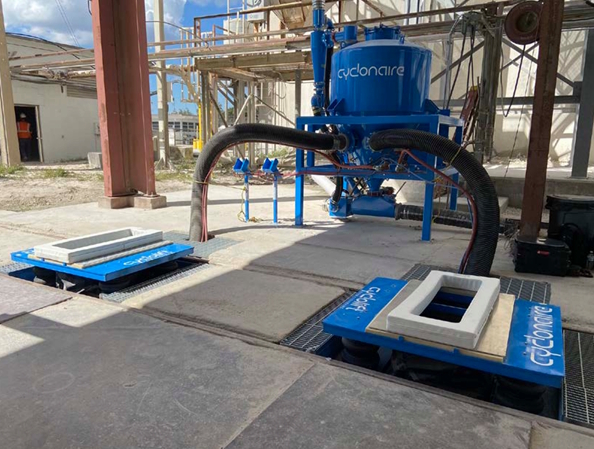
Eliminate labor-intensive pit cleaning and reduce energy costs with a high-efficiency railcar unloading system. This low-profile pneumatic solution enables faster car spotting and utilizes a single blower for both aeration and conveying, ensuring reliable, high-capacity cement transfer.
Wood chip screening systems improve chip uniformity by removing oversize and fines, increasing pulping efficiency and reducing waste in paper and pulp processing operations.
Maximize wood fiber recovery and eliminate waste in high-speed sawmilling lines. Advanced gyratory screening technology allows for higher log feeding speeds while maintaining strict chip specifications and protecting your bottom line.
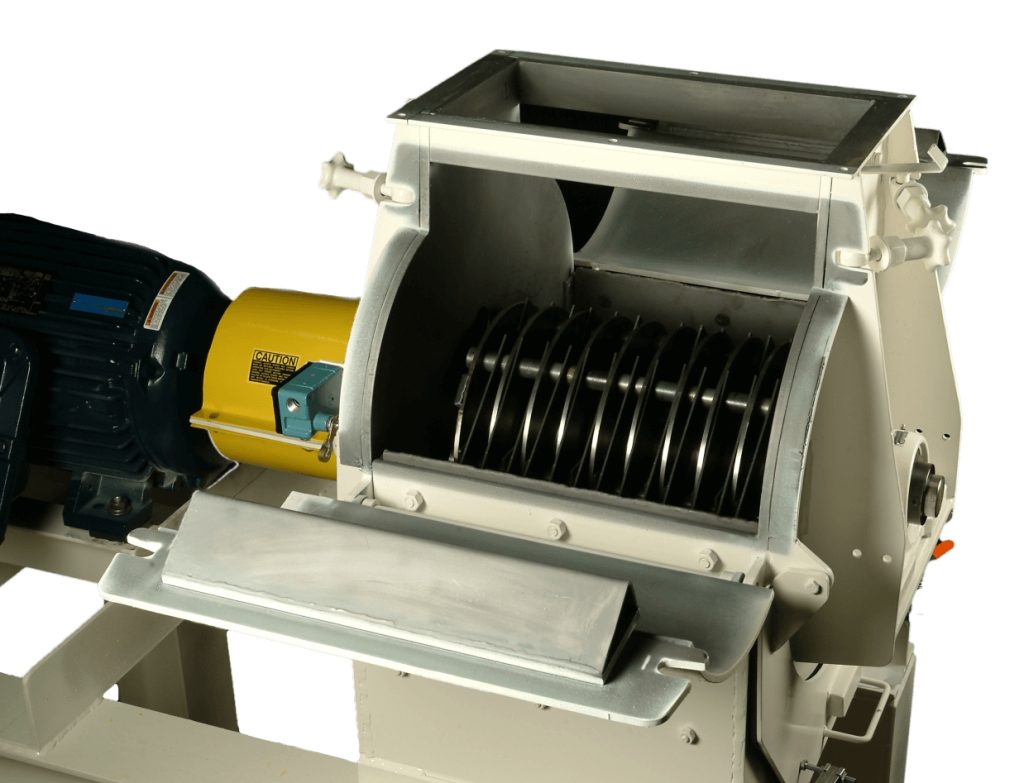
A grass seed manufacturer’s toll processor couldn’t hit target particle distribution for a urea/bone meal blend. See how an in-house fine grinding system solved it in 5 months.
Overview This case study shows how a soft drink syrup manufacturer improved the dispersion of sugars, gums, starches, and flavor